Verdict · 6 min read
Spray cork advantages and disadvantages
A plain list of the genuine advantages and real disadvantages of spray cork for UK homes, with no sales spin.
Last updated
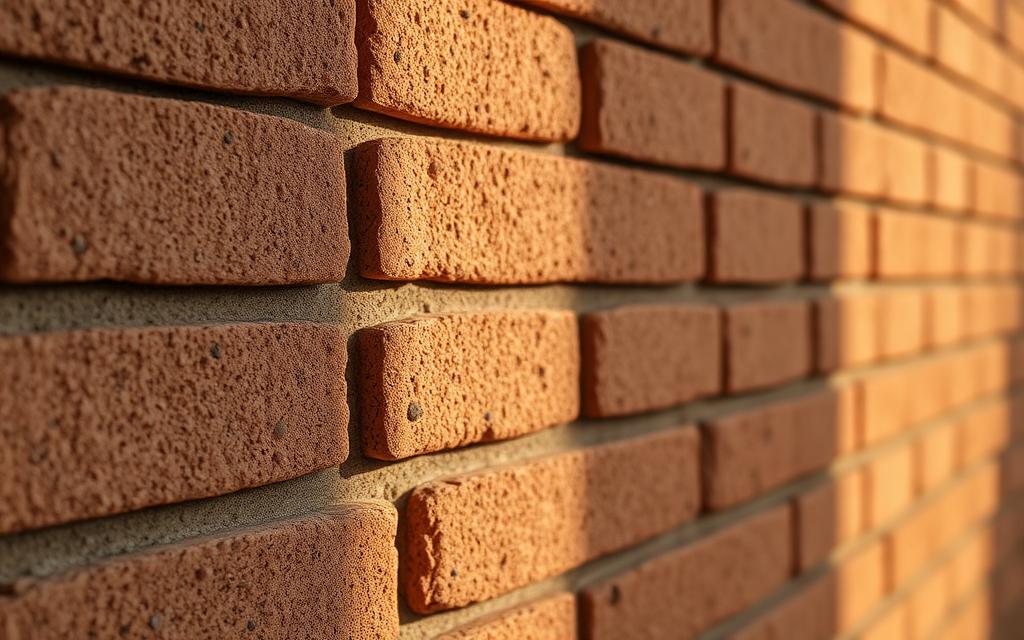
Every coating involves trade-offs. Here is the balanced list, written for homeowners rather than for search engines.
Why homeowners choose cork
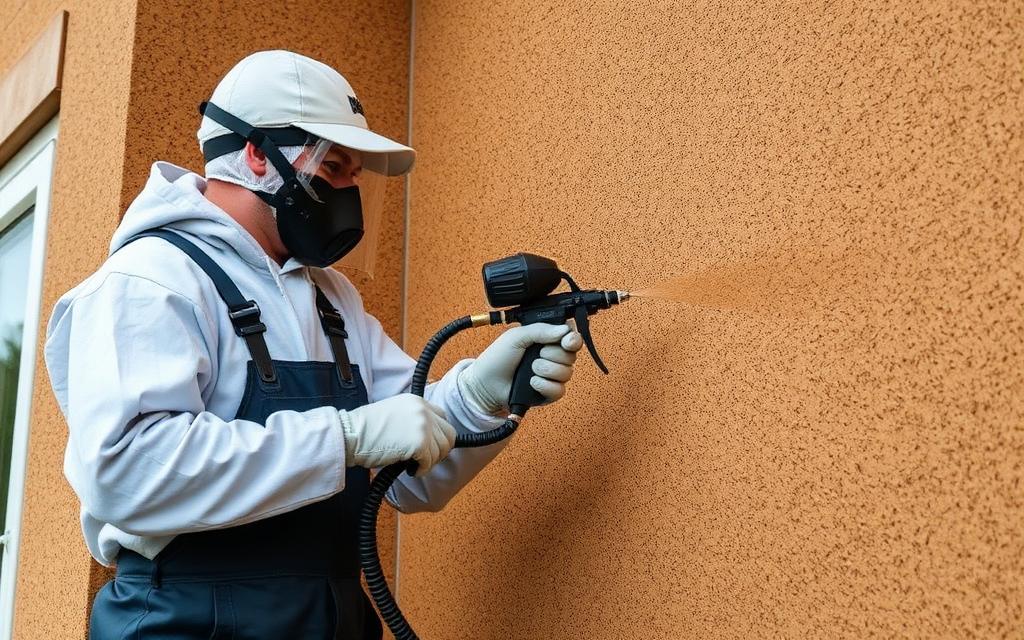
The finished elevation is designed to look consistent while offering practical benefits for properties exposed to open winds, damp low-lying ground and prolonged moisture on shaded walls.
- Vapour-open finish — moisture can pass through the coating, helping solid and older walls dry naturally instead of being sealed behind dense paint.
- Flexible and resilient — the cork and resin system stays flexible and crack resistant, so it copes with stable movement better than a rigid decorative coating.
- Warmer, quieter walls — natural cork contributes thermal and sound-insulating benefits, and the exterior system can reduce energy consumption by up to 15%.
- No colour fade — the finish keeps its colour, reducing the need for repeated repainting purely because the exterior has faded.
- Natural and repairable — cork is sustainable, and accidental local damage can usually be repaired without redoing the whole wall.
- Protection from weather — spray cork is fire resistant and weather resistant, helping prepared walls cope with damp, low-lying conditions and exposed open weather.
Advantages
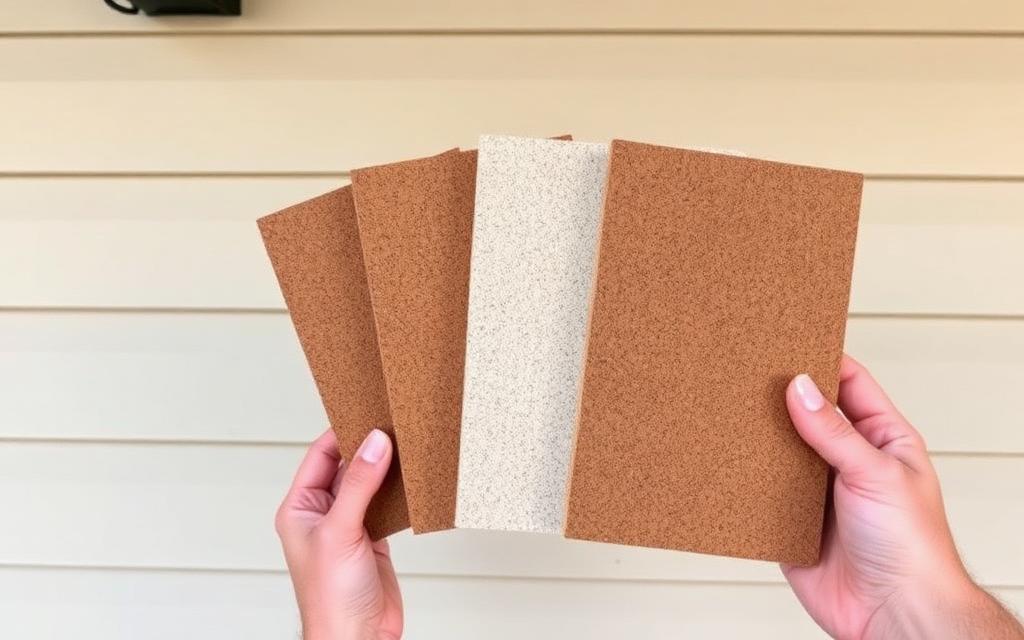
Spray cork's strengths are its flexibility, its breathability and its distinctive matte texture.
- Adds a modest thermal benefit: cork is naturally insulating, so a coated wall feels less cold to the touch
- Renewable material with low embodied carbon
- Elastic, so it bridges fine hairline cracks
- Breathable, suiting older solid-wall properties
- Covers tired pebbledash without removing it
- Low ongoing maintenance
The thermal benefit, realistically
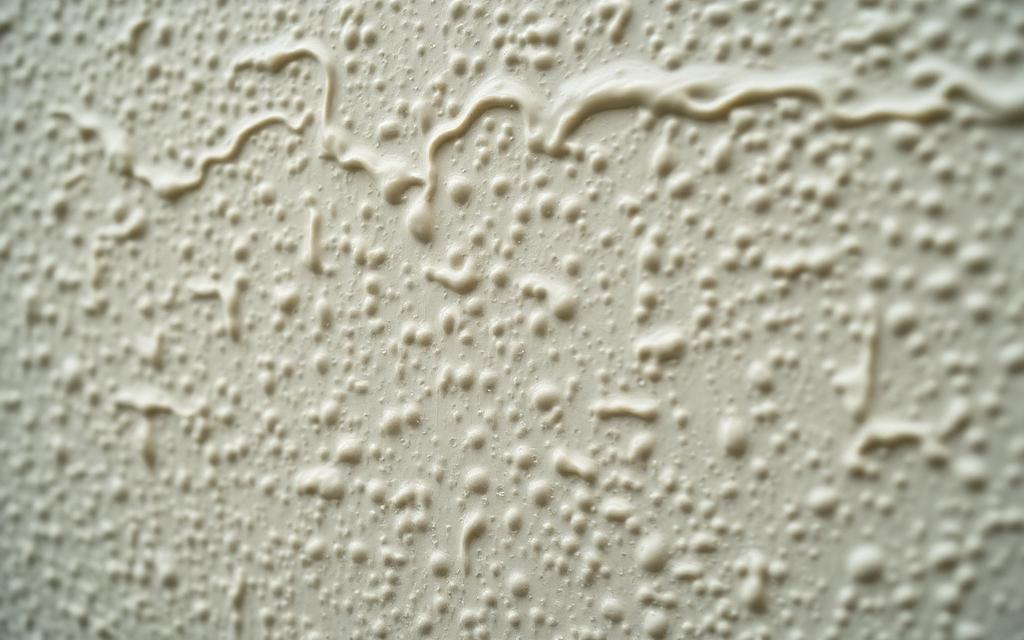
Cork granules trap air, which is why cork is used as an insulating material in its own right. Applied at typical coating thickness of a few millimetres, spray cork adds a genuine but modest amount of thermal resistance to a wall.
The bigger practical gains tend to come indirectly: the coating reduces water saturation of the masonry, and a dry wall insulates far better than a wet one. It also lifts the surface temperature of cold solid walls slightly, which helps with the cold-spot condensation many older houses suffer from.
What it is not is a replacement for certified external wall insulation. If a measurable cut in heat loss is your main goal, price up an EWI system as well and compare the two properly.
- Real but modest added thermal resistance at coating thickness
- Keeps masonry drier, and dry walls insulate better
- Can reduce cold spots and surface condensation indoors
- Not equivalent to certified external wall insulation
Disadvantages
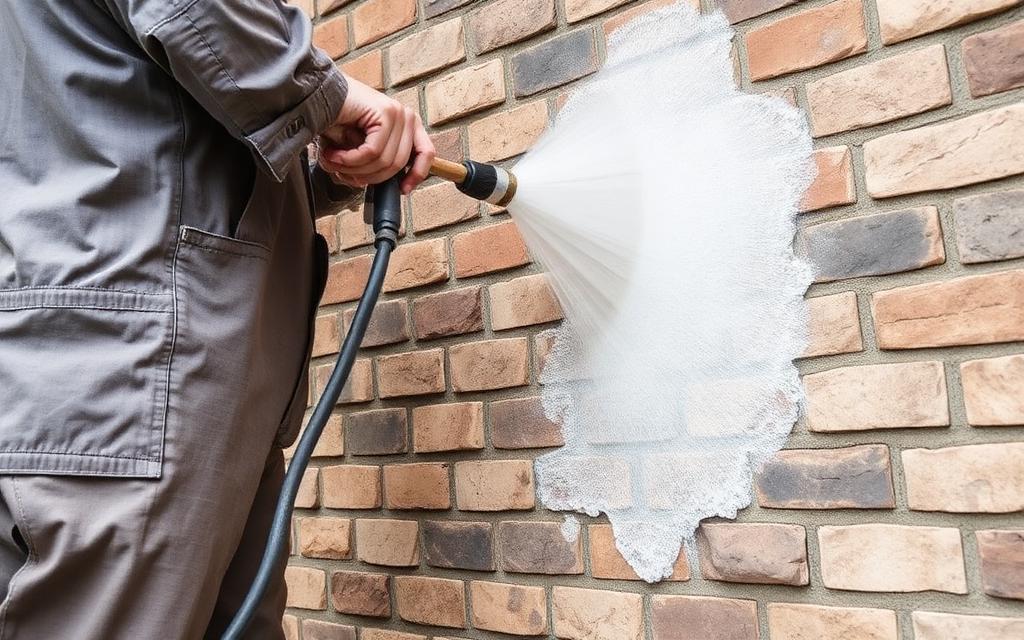
The weaknesses are cost, dependence on workmanship and the difficulty of undoing the decision.
- More expensive than standard render or masonry paint
- Result depends heavily on installer skill
- Needs careful substrate preparation
- Limited colour palette compared with render
- Very difficult to remove later
How to weigh them up
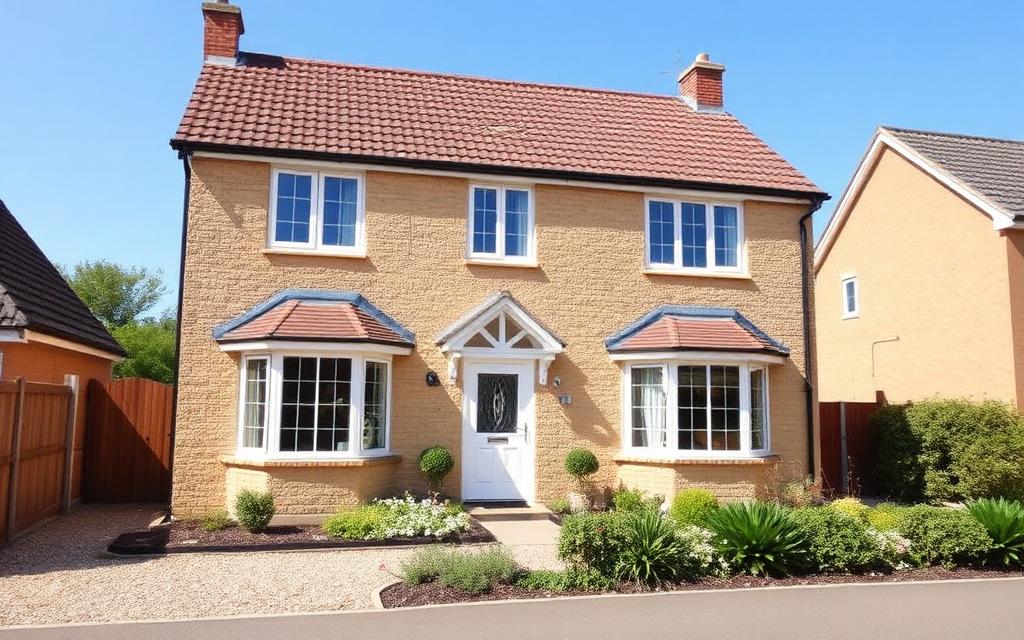
If two or more advantages match a problem your wall actually has, spray cork is worth quoting. If you are only after a colour change, the disadvantages will dominate.
Common questions
Is spray cork environmentally friendly?+
Cork is a renewable material, but finished products also contain binders and additives. Ask the installer for the product data sheet if this matters to you.
Is it suitable for listed buildings?+
Check with your local authority first. Listed buildings and conservation areas have additional controls on external finishes.
About the author
The Spray Cork Guide editorial team
Independent home improvement research
We research spray cork products, installer practices and published pricing so UK homeowners can weigh up the decision without a sales pitch. We are not an installer and we do not sell spray cork.
Figures on this page are indicative ranges gathered from publicly advertised UK pricing and homeowner reports. Always get written quotes for your own property.
Want a more accurate figure?
Use the calculator for an indicative range for your own wall area, or request quotes from installers covering your area.
Related reading
Keep researching
Verdict
Is spray cork worth it?
A balanced look at whether spray cork justifies its price for UK homeowners, including who it suits and who should consider alternatives.
Compare
Spray cork vs render
An impartial comparison of spray cork and traditional render across cost, durability, appearance, maintenance, waterproofing, insulation and lifespan.
Practical
Spray cork problems to watch for
The most commonly reported spray cork problems in the UK, why they happen and the questions that help you avoid them before work starts.