Practical · 7 min read
Spray cork problems to watch for
The most commonly reported spray cork problems in the UK, why they happen and the questions that help you avoid them before work starts.
Last updated
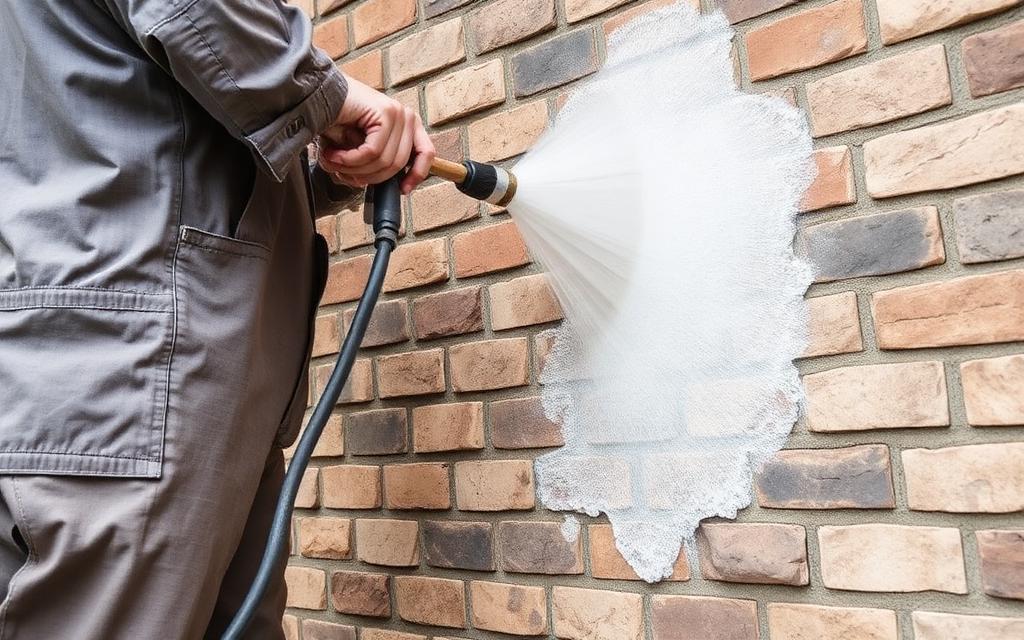
Most reported spray cork failures trace back to the same handful of causes. Knowing them in advance turns them into questions you can ask before you sign anything.
Insufficient preparation
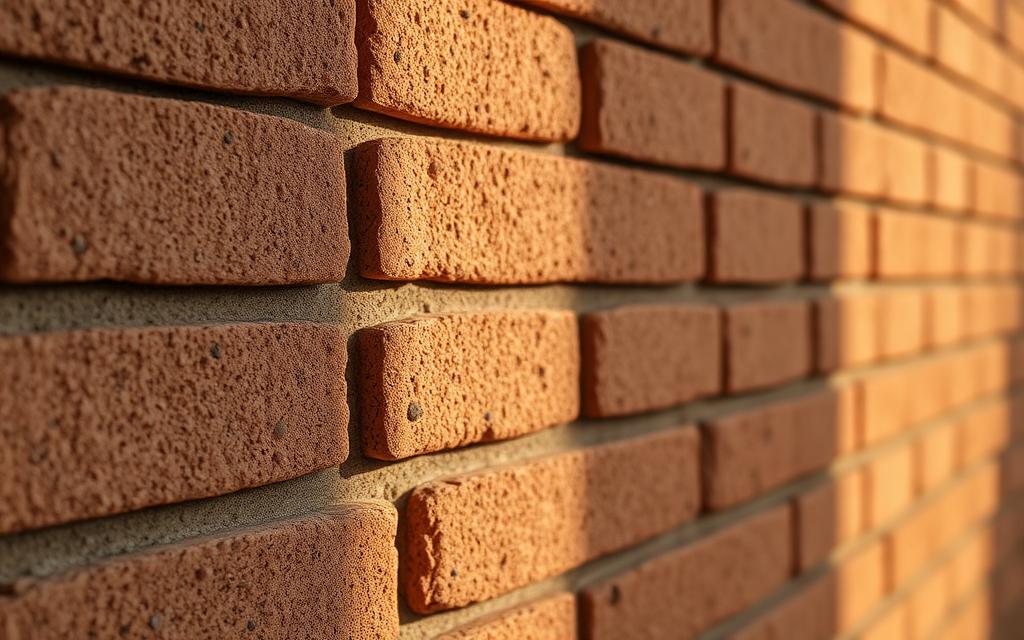
Applying over dirty, damp or loose surfaces is the single most common cause of a poor result. Coating traps the problem rather than fixing it, and the failure often only shows up a season or two later.
Applied in the wrong weather
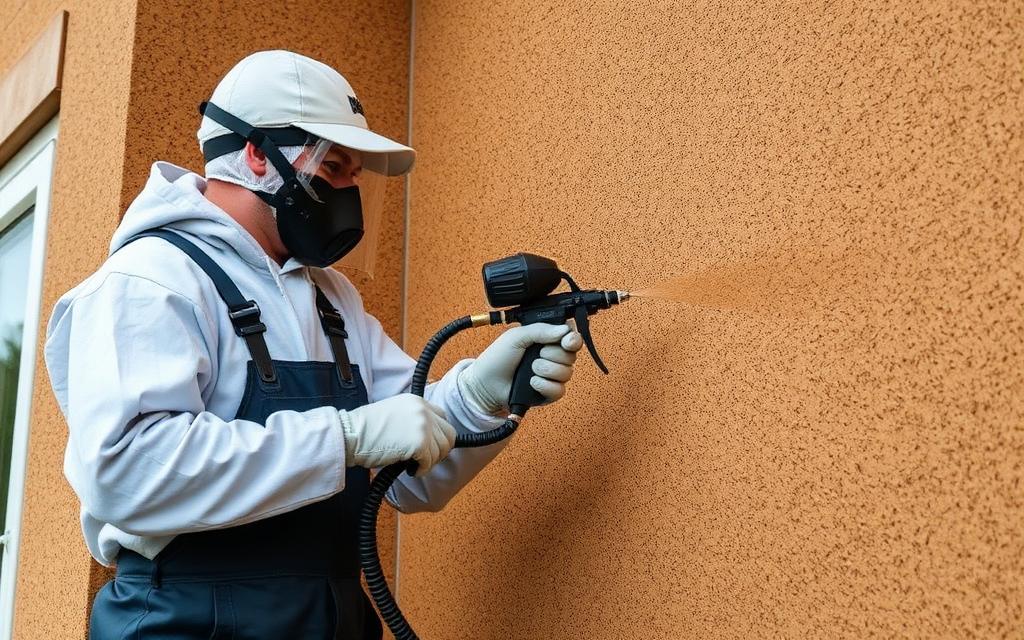
Cold or wet conditions slow curing and can affect adhesion and final colour. Reputable installers will reschedule rather than push on through poor forecasts.
Uneven finish and colour variation
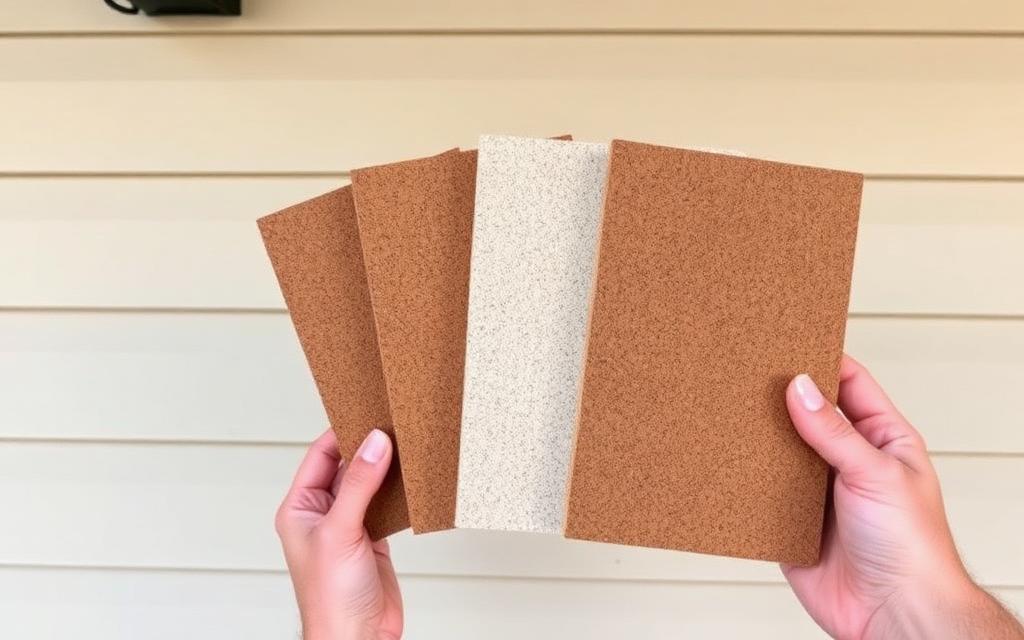
Because the finish is sprayed, overlap marks and thickness variation are visible in raking light. Ask to see a completed job in person rather than only in photographs.
Damp that was never diagnosed
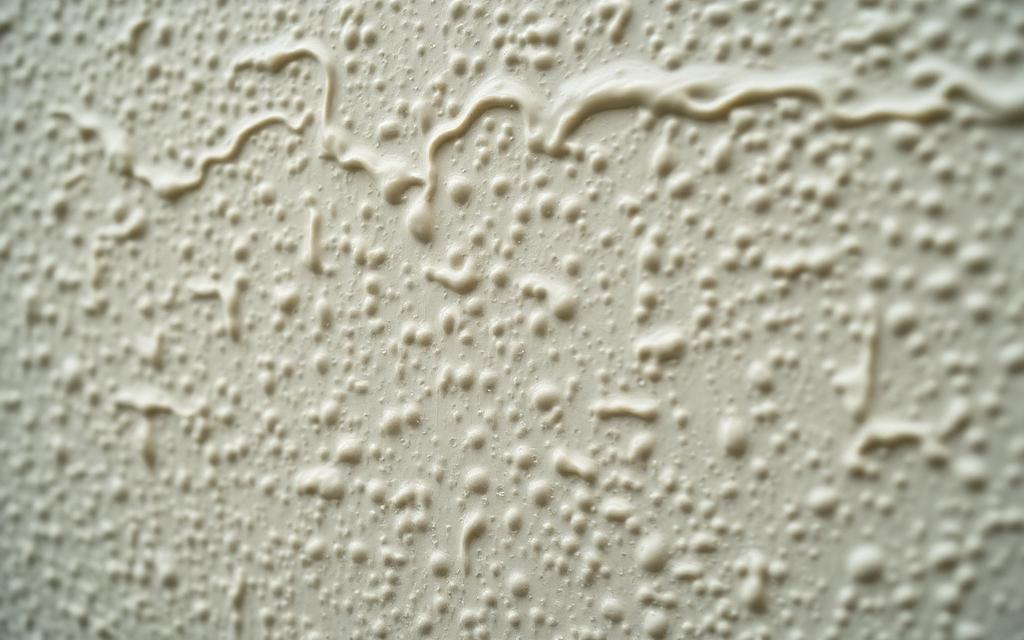
Spray cork is not a damp treatment. If a wall is wet because of a failed gutter, bridged damp course or penetrating damp, that cause must be fixed first.
How to reduce the risk

Get the specification in writing, including preparation, number of coats, product name and expected drying times. Ask what guarantee is offered, who underwrites it, and what it excludes.
- Named product and system, in writing
- Preparation itemised separately
- Written guarantee with clear exclusions
- Address of a completed job you can view
Common questions
Can spray cork cause damp?+
The coating itself is designed to be breathable, but applying any coating over an undiagnosed damp problem can make matters worse. Diagnose first, coat second.
Can it be removed if I dislike it?+
Removal is difficult and expensive because the coating bonds to the substrate. Treat it as a long-term decision.
About the author
The Spray Cork Guide editorial team
Independent home improvement research
We research spray cork products, installer practices and published pricing so UK homeowners can weigh up the decision without a sales pitch. We are not an installer and we do not sell spray cork.
Figures on this page are indicative ranges gathered from publicly advertised UK pricing and homeowner reports. Always get written quotes for your own property.
Want a more accurate figure?
Use the calculator for an indicative range for your own wall area, or request quotes from installers covering your area.
Related reading
Keep researching
Practical
Spray cork lifespan and maintenance
How long spray cork lasts in the UK climate, what shortens its life, and the light maintenance that keeps a coated wall looking right.
Reviews
Spray cork reviews: how to read them
How to interpret spray cork reviews, spot marketing claims, and work out whether a positive review reflects the product or the installer.
Verdict
Is spray cork worth it?
A balanced look at whether spray cork justifies its price for UK homeowners, including who it suits and who should consider alternatives.